ArcticVault White Paper
Powered by Winter. Sustained by the Sun.
Snow-Cooled, Solar-Backed Data Infrastructure for a Sustainable Future
1. Executive Overview
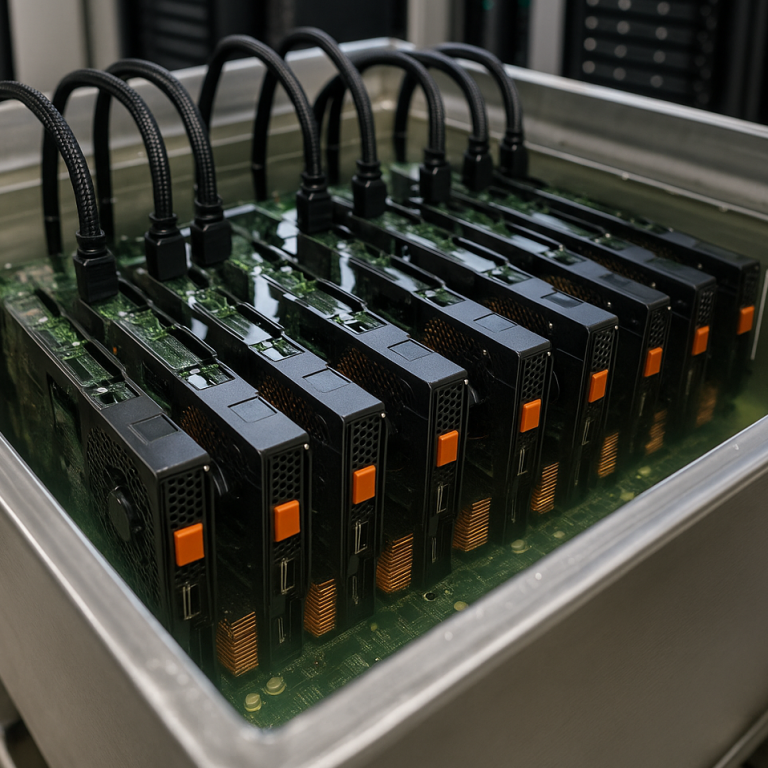
ArcticVault is a climate-integrated data infrastructure startup based in Québec, Canada. We provide ultra-low-cost, carbon-light data storage solutions by harnessing naturally cold environments and solar energy. Our core innovation—the SnowCore™ vault—uses harvested snow, passive airflow, and high-performance insulation to reduce cooling energy consumption by up to 90% compared to traditional data centers. This system provides secure, compliant, and sustainable infrastructure for enterprise cold data, blockchain storage, and government archives.
2. Market Problem
Data centers currently consume more than 3% of global electricity, with cooling systems accounting for 30–40% of total power use. These systems are costly, carbon-intensive, and environmentally unsustainable. Furthermore, as AI, blockchain, biotech, and compliance sectors grow, so does the need for energy-efficient, resilient storage infrastructure.
Key Issues:
Rising energy costs and carbon taxes
ESG pressure and regulatory compliance
Poor scalability of traditional cooling in cold regions
Need for energy-independent disaster recovery infrastructure
3. ArcticVault Solution
ArcticVault eliminates the need for chillers by using:
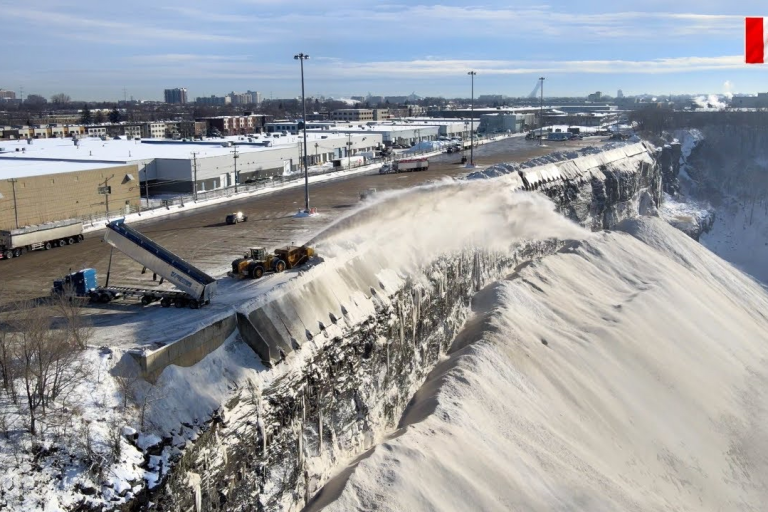
Snow-Based Passive Cooling: Melt energy absorption (334,000 J/kg) passively handles server heat loads
Solar-Powered Fan Systems: Ducted airflow passes over snow reserves to extract heat
Thermal Insulation Architecture: R-50+ insulation and vapor barriers protect snow reserves for 6–8 months
Modular Vault Design: Deployed in <60 days, scalable from 50 to 500+ racks
Our SnowCore™ system is designed for reliability, performance, and compliance in cold regions like Québec, Japan, Alaska, and Scandinavia.
4. Technical Overview
Server Thermal Load
1 server = ~500W = 43.2 MJ/day = ~12 kWh/day
For 100 racks (~2,000 servers): ~24,000 kWh/month
Snow Required for Cooling
Snow absorbs heat as it melts: 334,000 J/kg
~130 kg of snow/day/server
Total snow for 100 racks/year: ~95,200 metric tons
Vault volume required: ~190,000 m³ (assuming 500 kg/m³ snow density)
Vault Heat Gain Considerations
Vault surface area: ~6,000 m²
Heat gain: ~60 kWh/day from conduction (adds ~0.2% overhead)
Total updated snow requirement: ~95,180 tons/year
5. Energy and Cost Savings
Traditional Cooling
Cost: ~$0.07/kWh
Annual cooling cost for 100 racks: ~$2.02M
ArcticVault Cooling
Operational cost: ~$200,000/year
Net energy savings: ~$1.8M/year
Payback period: ~1.7 years
10-year net savings: >$13M
6. Deployment and Use Cases
Target Clients
Enterprise data archives (AI, biotech, finance)
Governments and public institutions
Blockchain and decentralized storage networks
Deployment Locations
Cold-climate regions: Québec, Nordic countries, Japan, Alaska
Future franchise-ready model
7. Strategic Advantages
Carbon Reduction: Passive cooling eliminates emissions from HVAC
ESG Compliant: Supports carbon-neutral goals
Fast Deployment: Modular units install in <60 days
Disaster Resilient: Off-grid capable, EMP-protected options
Franchiseable: Low-CAPEX deployment in snowbelt regions
8. Conclusion
ArcticVault represents a paradigm shift in sustainable data infrastructure. Our snow-cooled, solar-powered architecture transforms passive environmental resources into active energy savings. With rapid ROI, long-term operational savings, and replicable design, ArcticVault is positioned to lead the next generation of clean, efficient data centers.
Reduce cooling energy by 90%. Cut emissions. Scale securely. ArcticVault isn't just colder — it's smarter.